In today’s fast-evolving world, sustainability has transitioned from being a buzzword to becoming the backbone of modern architectural design. Discerning homeowners and developers in India are no longer satisfied with grandeur alone—they seek a seamless blend of luxury and environmental responsibility. The concept of sustainable luxury architecture in India is redefining the design landscape, proving that elegance and eco-consciousness can coexist beautifully.
Firms like Design Legends, a reputed architecture and interior design firm, are pioneering this transformation—crafting spaces that not only exude opulence but also respect the planet. This article explores how sustainable practices are reshaping the world of high-end architecture, combining aesthetics, innovation, and environmental stewardship.
For decades, luxury architecture was associated with excess—grand villas, vast landscapes, exotic materials, and resource-intensive features. However, the environmental impact of such designs became impossible to ignore. From energy-hungry lighting to non-renewable materials and massive carbon footprints, opulence often came at the planet’s expense.
Homeowners began to realize that true luxury extends beyond material wealth—it includes comfort, health, and harmony with nature. The challenge for architects was clear: how to design spaces that reflect sophistication without compromising the environment. The environmental toll of unsustainable design practices is staggering. India’s booming real estate sector has often been criticized for depleting resources and contributing to carbon emissions. Traditional luxury residences, with their imported marbles, artificial cooling systems, and energy-draining lighting, have contributed significantly to this issue.
Imagine owning a mansion that looks stunning but constantly drains power, wastes water, and uses toxic paints or finishes that affect indoor air quality. What good is aesthetic beauty when the environment—and the inhabitants—pay the price? The modern generation of homeowners and designers understands that sustainability is not a limitation—it’s liberation. The growing awareness of climate change, green building standards, and eco-conscious living has shifted the narrative. True prestige now lies in eco-luxury—living elegantly while preserving the planet.
1. Smart Design Meets Sustainability
The foundation of sustainable luxury homes lies in intelligent architecture. This includes passive design principles, which harness natural light, cross ventilation, and thermal insulation to reduce energy consumption. Rather than relying solely on artificial systems, such homes are designed to work in harmony with the local climate.
Design Legends has mastered this balance by integrating modern aesthetics with energy-efficient architecture. From orientation to layout, every element is optimized for comfort, functionality, and sustainability.
2. Eco-Friendly Building Materials
In luxury architecture, materials play a defining role. The shift toward eco-friendly materials has revolutionized design choices. Recycled wood, bamboo, locally sourced stone, and low-VOC paints are now preferred alternatives to resource-heavy imports.
Sourcing materials locally reduces transportation emissions and supports regional artisans. The result? Homes that are both luxurious and grounded in sustainability, reflecting the cultural and ecological essence of India.
3. Integration of Renewable Energy Systems
Solar panels, geothermal cooling, and rainwater harvesting systems are no longer niche additions—they’re integral components of sustainable architecture. Modern luxury residences in India increasingly feature on-site renewable energy solutions that significantly reduce reliance on conventional power.
These smart systems align perfectly with the vision of eco-luxury living, enabling homeowners to experience comfort without guilt. The seamless incorporation of technology ensures that efficiency never compromises aesthetics.
4. Water and Waste Management Innovations
Water scarcity is a pressing issue in India. Sustainable architectural practices now prioritize greywater recycling, low-flow fixtures, and rainwater harvesting to minimize waste. Similarly, waste segregation and composting systems are integrated into residential designs.
These measures not only enhance the home’s efficiency but also foster a self-sustaining ecosystem—one where luxury aligns with environmental mindfulness.
5. Biophilic Design – Bringing Nature Indoors
A hallmark of luxury sustainable design is the concept of biophilia, which emphasizes the human connection to nature. Incorporating green walls, courtyards, natural ventilation, and indoor gardens enhances mental well-being and air quality.
The result is a living environment that feels alive—a sanctuary that nourishes both the senses and the soul. Such design philosophy represents the future of luxury real estate in India, where sustainability defines true sophistication.
6. Smart Home Automation for Energy Efficiency
The modern luxury home is not just smart—it’s sustainable. Home automation systems allow residents to monitor and control lighting, temperature, and water usage, ensuring energy optimization throughout the property.
By combining IoT-driven architecture with eco-friendly technologies, architects are creating intelligent spaces that embody both comfort and conscience.
7. Sustainable Landscaping and Outdoor Spaces
Luxury is often expressed through expansive outdoor areas, but maintaining them sustainably is key. Native plant landscaping, drip irrigation systems, and solar lighting transform gardens into eco-friendly sanctuaries.
These outdoor designs not only enhance visual appeal but also support local biodiversity—proving that sustainability can extend beyond walls and roofs.
The Indian Context – Where Heritage Meets Sustainability
India’s rich architectural heritage offers timeless lessons in sustainable design. Traditional homes in Rajasthan, Kerala, and Tamil Nadu employed natural ventilation, shaded courtyards, and local materials—long before sustainability became a global trend.
Today, contemporary luxury architecture in India blends these traditional principles with modern innovations. By revisiting the past, architects are shaping a future of mindful opulence—where cultural identity and ecological responsibility coexist.
Design Legends’ Approach to Sustainable Luxury
While many firms claim sustainability, few truly integrate it into every design decision. Design Legends distinguishes itself through an evidence-based, performance-driven approach. From conceptualization to execution, sustainability is not an afterthought—it’s the foundation.
Their philosophy centers on creating timeless spaces that inspire, endure, and contribute positively to both the environment and society. Each project reflects bespoke architecture—customized for the client’s lifestyle while maintaining ecological balance.
The Future of Sustainable Luxury Architecture in India
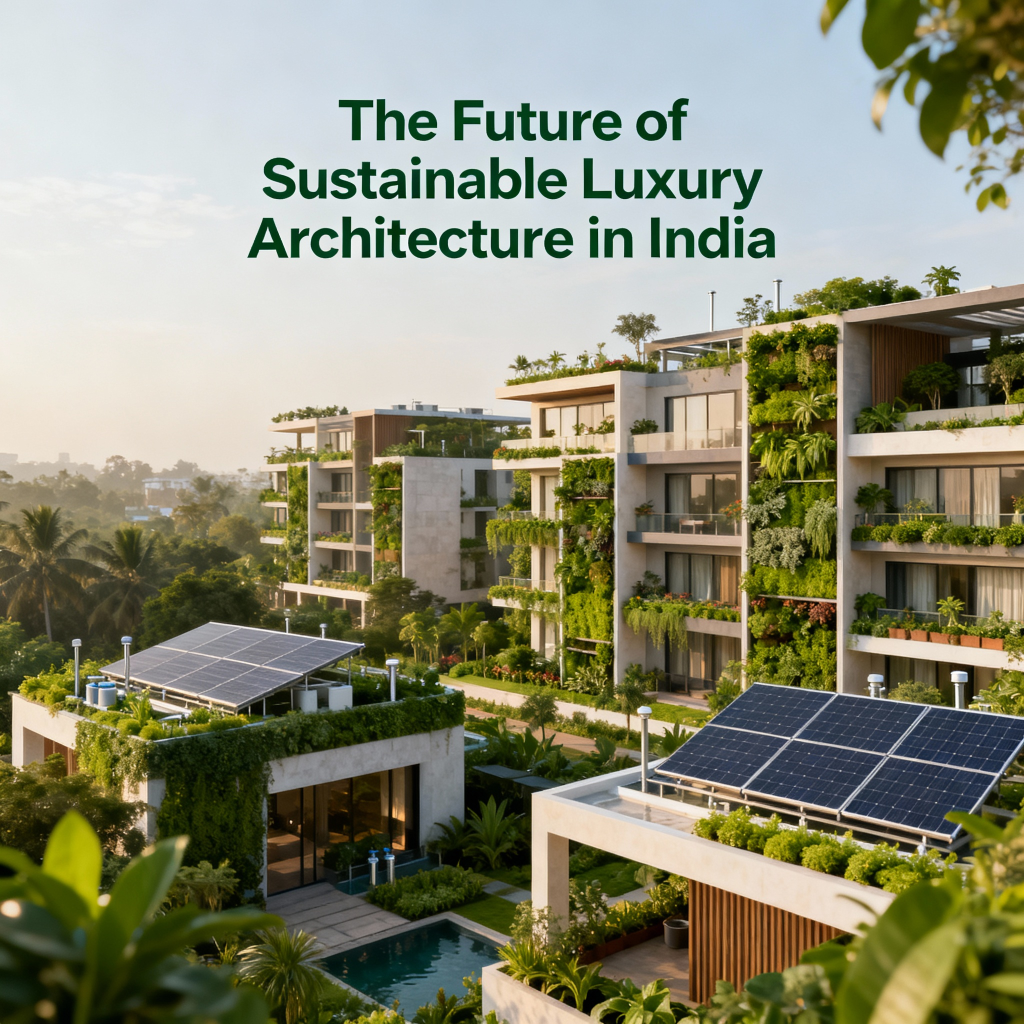
The next decade will witness a paradigm shift in how India perceives luxury living. With the rise of green-certified buildings, carbon-neutral homes, and AI-integrated smart systems, sustainability is no longer a choice—it’s the new standard.
Investing in eco-conscious architecture not only benefits the environment but also enhances property value, health, and long-term cost savings. Luxury clients today value purpose-driven design, where every element tells a story of innovation and responsibility.
The collaboration between architects, designers, and engineers will continue to evolve—paving the way for a greener, more luxurious India.
Conclusion
The essence of sustainable luxury lies in crafting spaces that go beyond visual grandeur—they embody responsibility, intelligence, and respect for nature. As India’s elite shift toward conscious living, the demand for sustainable architecture will only rise.
Architectural firms like Design Legends are setting the benchmark—demonstrating that luxury and sustainability are not opposites but partners in design excellence. The future of high-end living in India is not about building more—it’s about building better.
FAQs
1. What is sustainable luxury architecture?
Sustainable luxury architecture combines eco-friendly practices with high-end design, ensuring minimal environmental impact while maintaining elegance and comfort.
2. Why is sustainable architecture important in India?
India faces resource scarcity and rising urbanization. Sustainable architecture helps conserve energy, reduce waste, and promote healthy living environments.
3. Can sustainable homes still be luxurious?
Absolutely. With innovative materials, smart technology, and creative design, luxury and sustainability can coexist beautifully in modern homes.
4. What are some eco-friendly materials used in luxury architecture?
Common materials include bamboo, recycled steel, low-VOC paints, reclaimed wood, and locally sourced stone for an eco-conscious finish.
5. How does smart home automation support sustainability?
Smart systems optimize lighting, heating, and cooling—reducing energy waste while enhancing the comfort and efficiency of luxury residences.